

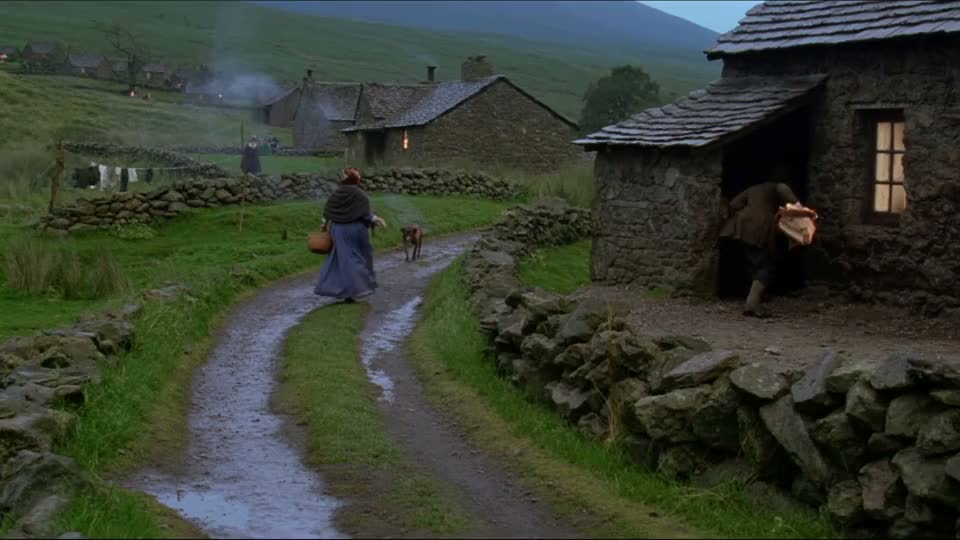
“Well, Meredith, you have really done it now.”
Wind drove the rain beneath my bonnet and pressed my wet skirts against my legs. Tolly shifted inside the basket under my cloak, and the road ahead had disappeared into grey.
An hour earlier, Balmorrow had still seemed perfectly manageable.
The landlord had refused to hire me a cart. He had also refused to lend me a horse or admit that any sensible road continued beyond the village.
“No, lass. No coach goes to Dunmore. No cart the day, either. Storm coming off the ben. Bide the night.”
The fire was warm, but Balmorrow was only a pause. Catherine had arranged a place for me at Dunmore, and I needed it to be real.
My head had ached since Perth. My throat hurt when I swallowed. I had decided both complaints came from coach dust and would disappear if ignored.
This had worked with creditors for nearly six years.
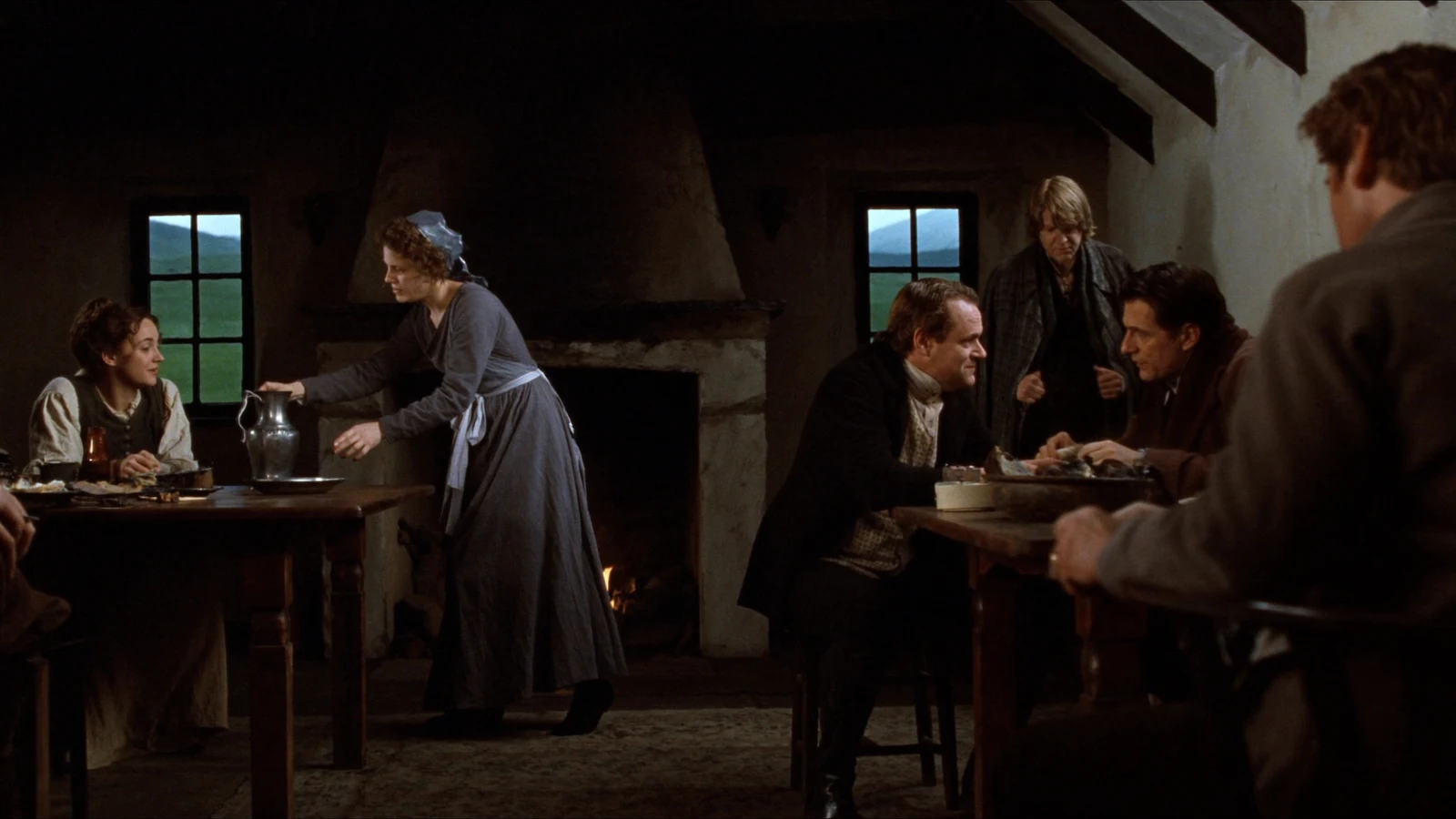
The landlord’s wife came around the bar, wiping flour from her broad hands onto her apron.
“His Grace sees nobody, lass.”
“That is quite all right. I am not going to see him socially.”
“He’ll turn ye from the door.”
“Then I dare say he may do it himself.”
Her mouth pressed flat. She had hoped I might be frightened enough to stay the night.
“A young woman has no business walking that glen alone.”
“I shall not be alone once I arrive. The duke is married, and Lady Ashworth told me Mrs. Drummond still keeps the household.”
The landlord and his wife exchanged a look.
I waited for one of them to explain it.
Neither did.
Instead, the landlord’s wife wrapped bread and cheese in a clean cloth, added an apple, and tied the parcel tightly.
“At least eat before the rain starts.”
“I will. Thank you.”
Their son walked me to the beginning of the track, his thin wrists disappearing into the sleeves of an oversized coat. He gave me one doubtful look, pointed through the hills, and said, “Yon.”
Then he ran home.
I went yon.
The rain did not begin at once. For almost an hour, Scotland behaved beautifully.
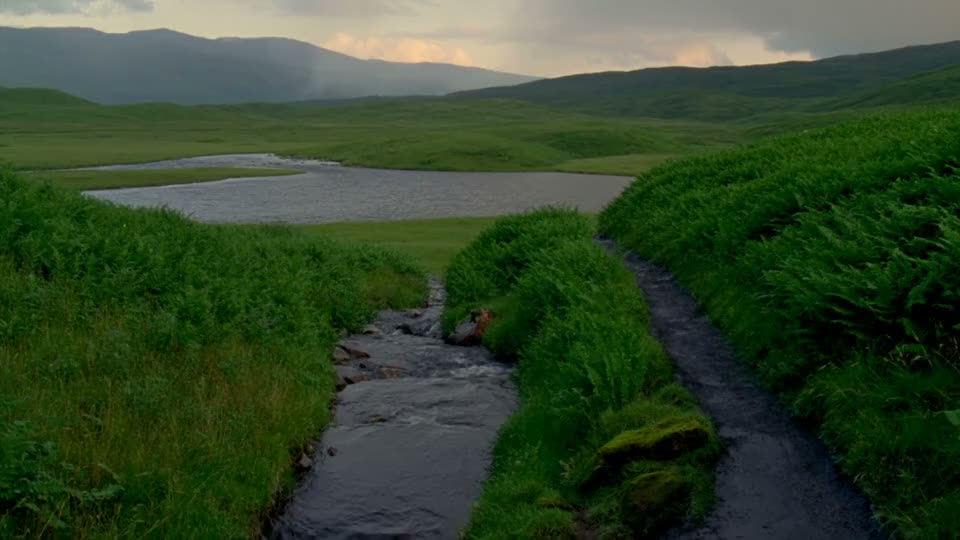
The track climbed above the village and opened onto a long view of the loch. Pale light moved across the water. Heather covered the lower slopes in faded purple, and red berries crowded the rowan trees. Tiny white flowers had survived beside the stones, although November had given them every reason to surrender.
I liked them immediately.
At the top of the first rise, I found a low wall overlooking the water and sat to eat.
Tolly agreed to the cheese. He rejected the bread.
“Tolly, you ate a moth last Tuesday. Do not pretend the bread is beneath you.”
He took the cheese from my fingers and turned his attention to the view.
Nothing followed me along the road. The schoolroom, the bells, and the children were miles behind.
So was Sir Edmund Hale.
I looked back once anyway.
I pulled my mother’s shawl closer around my shoulders and ate another piece of bread.
For the first time in years, nobody knew exactly where I was.
I untied my bonnet and pulled out the pins. My curls fell loose at once, and the wind caught them before I could decide whether that had been sensible.
There was nobody nearby to care.
I had spent six years making myself easy to overlook, stepping aside in corridors and finding some task whenever a room grew too full.
A governess could pass through every room in a home and still be expected to leave no mark upon it.
I had chosen to leave London. That part was mine.
What came next was less certain. Somewhere ahead was a wounded duke I had never met, in a castle far from anyone who knew me. I was frightened, though not frightened enough to turn back.
Catherine had told me the duke was married, wounded, and difficult. When I asked about his wife, she had reached for the teapot and begun discussing the journey north.
A married man with a bad temper and no interest in company seemed, under the circumstances, almost ideal. His wife would manage the household. Mrs. Drummond would show me my duties. The duke could remain at the far end of the castle and dislike me in peace.
After Sir Edmund, dislike felt safer than attention.
I finished the bread and saved the apple. The remaining cheese went into Tolly’s basket.
Thunder cracked behind me.
Tolly shoved his head through the opening of the basket, and I looked back to find the road toward Balmorrow already fading beneath the rain.
“It is only a little weather, Tolly. We shall be at Dunmore before it becomes troublesome.”
He continued staring at the hills.
“You need not look so doubtful.”
It did not pass.
I put my bonnet back on and discovered that one of the pins had vanished.
“Very sensible, Meredith,” I muttered as the wind pushed the bonnet toward the back of my head.
Then the rain came down properly.
At first, I loved it.
There was no one on the road to see me, so I gathered my skirts and ran. I had forgotten what it felt like to run when no one needed medicine, no child had fallen, and no bell was calling me back.
I ran only because I could.
Then my left boot filled with water. The right followed before I had finished being annoyed about the first.
I ran until the mud grew too deep. Tolly’s basket knocked against my ribs beneath the cloak, and I tightened my arm around him.
“We are still enjoying ourselves, Tolly.”
He seemed to glare at me from the basket.
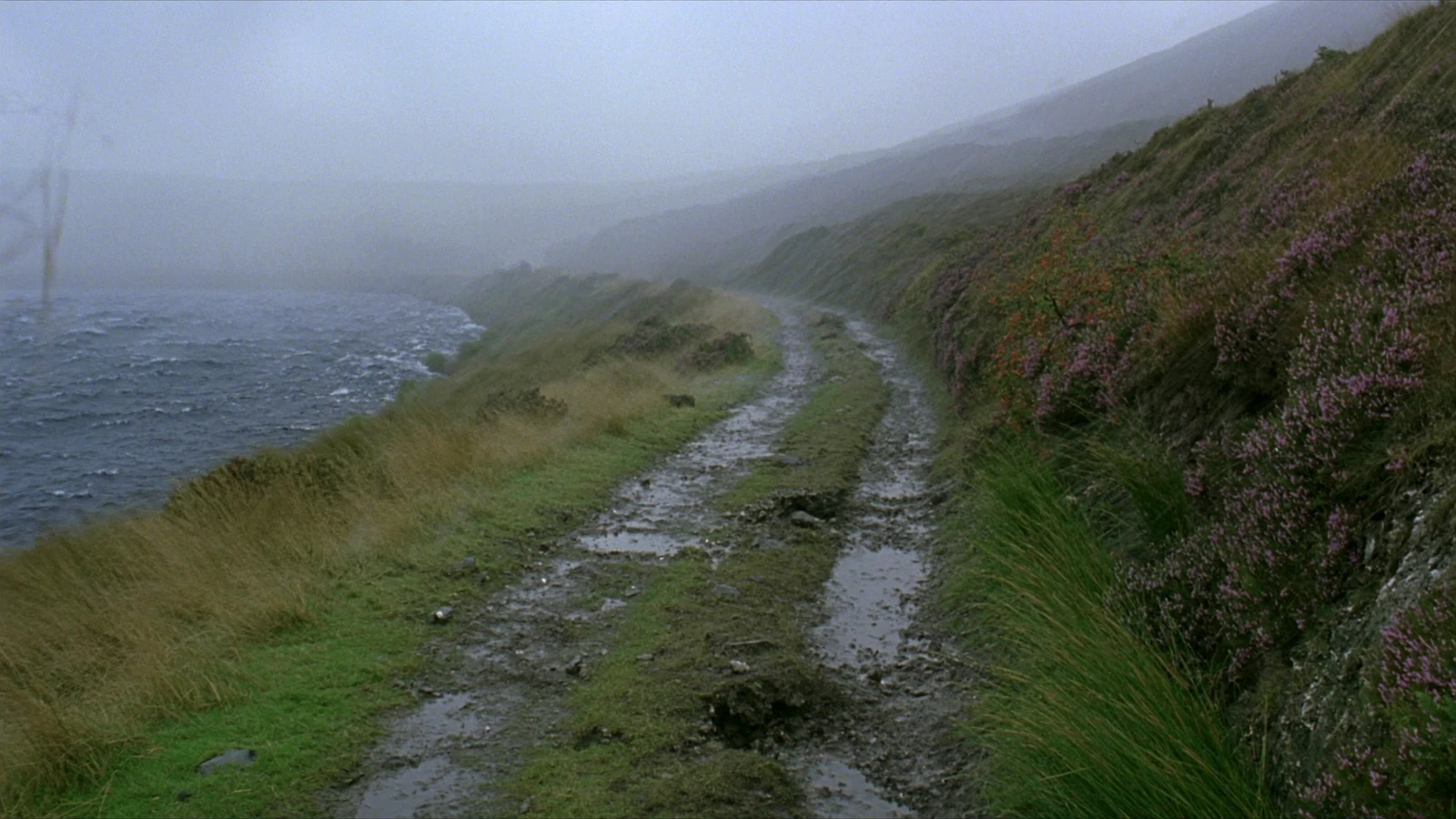
The hills vanished behind the rain. Soon there was only the pale strip of road in front of me and the dark water somewhere to my left.
My throat had worsened. Each breath scraped. Heat gathered behind my eyes, though my hands were so cold I could barely feel the valise handle.
The castle could not be far.
I told myself this often enough that it began to sound less like information and more like prayer.
My foot slipped near the edge of the track. I went down hard on one knee and caught myself with my palm. Mud soaked through my glove, and Tolly cried out beneath my cloak.
I held the basket close until he settled.
For several seconds, I stayed there. Rain struck the back of my bonnet and ran into my eyes. My hand shook against the ground.
That was inconvenient.
I stood slowly. My skirt was black from the knee down. One glove was ruined. My ankle hurt when I put weight on it.
I took a step anyway. Then another.
By the fourth mile, I was freezing. By the fifth, I was strangely hot.
My wet clothes clung to me. The road moved whenever I looked at it for too long. I stopped thinking about freedom and began counting steps.
One hundred. Two hundred.
At three hundred and forty-seven, I lost the number and had to begin again.
The landlord’s wife had been right. I could admit that now, privately, where she could take no pleasure from it.
I should have stayed at the inn. I should have eaten stew beside the fire and allowed tomorrow’s Meredith to deal with the duke.
Tomorrow’s Meredith had always seemed capable of far more than the present one.
The wind struck from the side when the road narrowed beside the loch. I bent over Tolly’s basket and held him close to my ribs.
“There had better be a castle,” I whispered.
Then I saw the light.
One narrow window shone high above the water.
I stopped in the road. Rain blurred it, so I wiped my face with the least muddy part of my glove and looked again.
The light remained.
Castle Dunmore rose around it, huge and dark against the sky. One tower leaned above the rest. A stone causeway crossed the water toward an iron-studded door.
Relief nearly returned me to my knees.
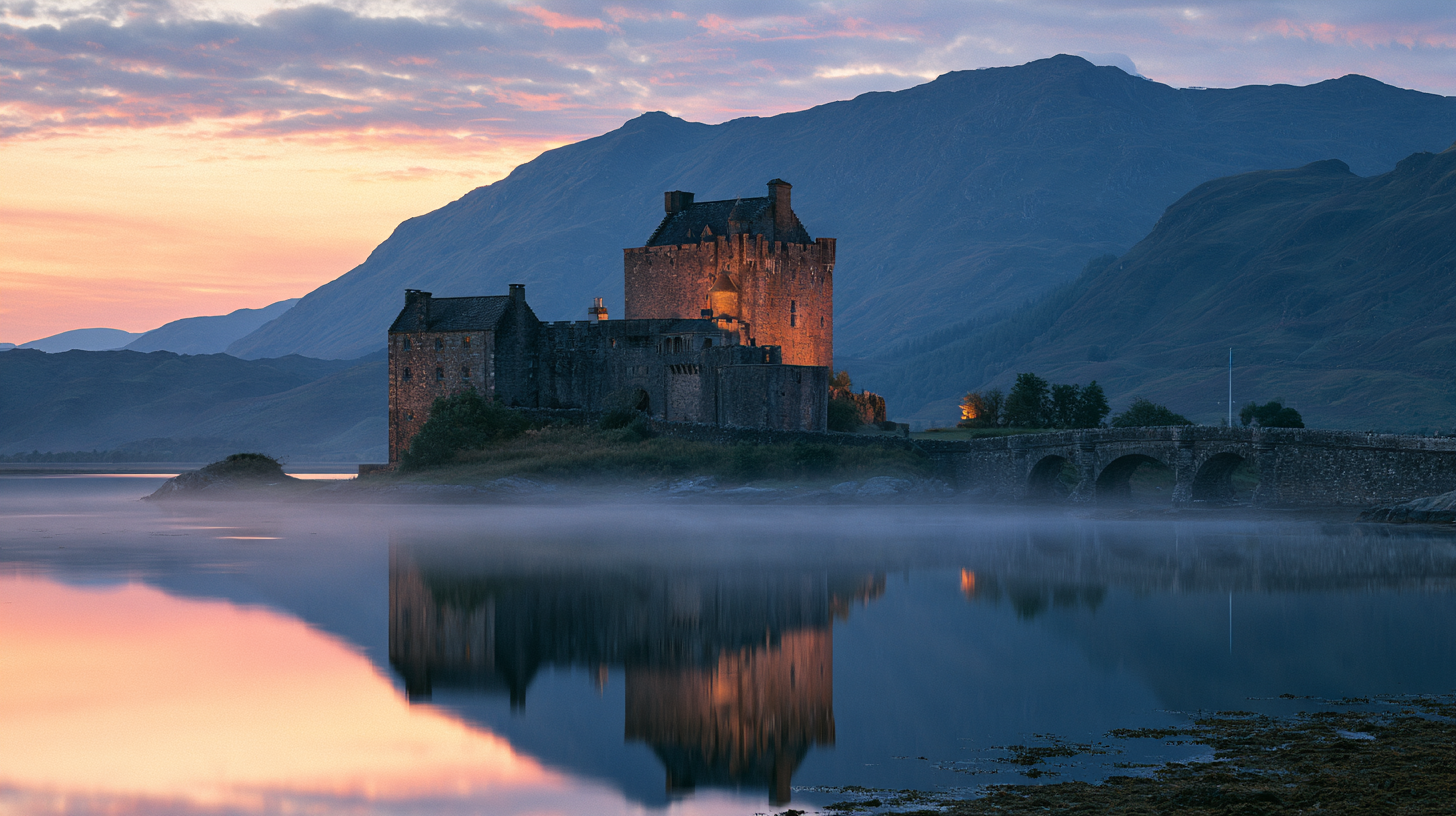
I walked the final distance slowly. My legs had begun to tremble. By the time I reached the door, I could barely close my fingers.
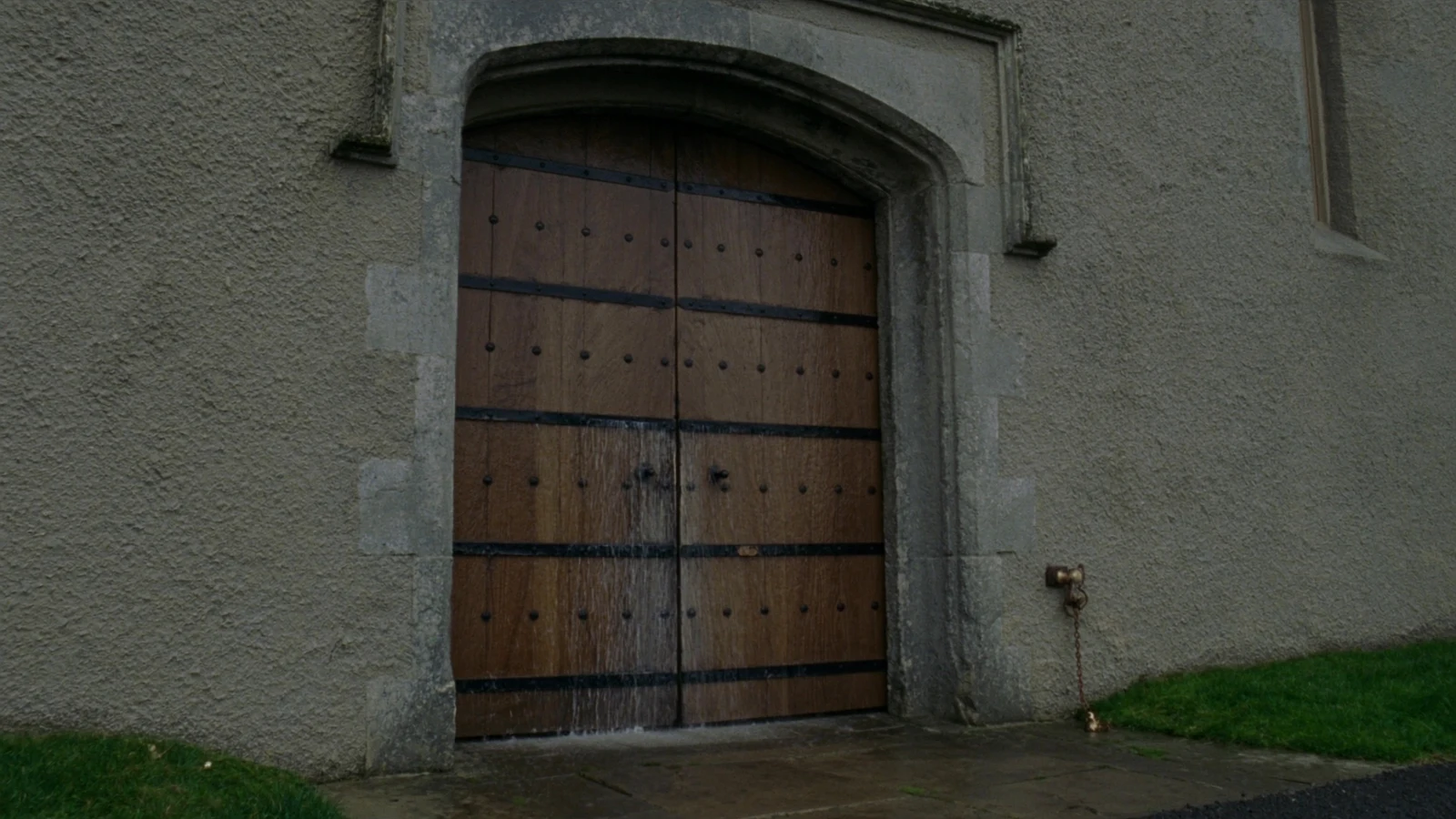
I found the bell chain and pulled.
It broke.
Three feet of rusted iron dropped into my hand.
I stared at it.
The castle had already refused me, and I had not even introduced myself.
“No,” I said aloud.
I had walked five miles. I had lost one glove to the mud and all feeling in my feet. Good sense had gone some time earlier.
I was not going back.
I wrapped both hands around the chain, lifted it, and struck the door.
The sound travelled deep into the castle.
Then nothing happened.
I waited. Rain ran from my bonnet and down my nose.
I struck again.
“Hello?”
The castle remained silent.
I hit the door a third time, harder.
“If anyone is alive in there, I would be very grateful for evidence.”
Still nothing.
I began to wonder whether the position had remained open because the entire household was dead. It would explain Catherine’s failure to provide details.
I raised the chain again.
The door opened.
I had already begun the swing, so the final blow met empty air. The chain pulled me forward. My wet boot slid over the threshold, and my shoulder struck something solid.
A large hand closed around my upper arm before I fell.
For one confused moment, I saw only black wool, the breadth of his chest, and the hand closed firmly around my arm.
Then I looked at his face.
The damage caught me first.
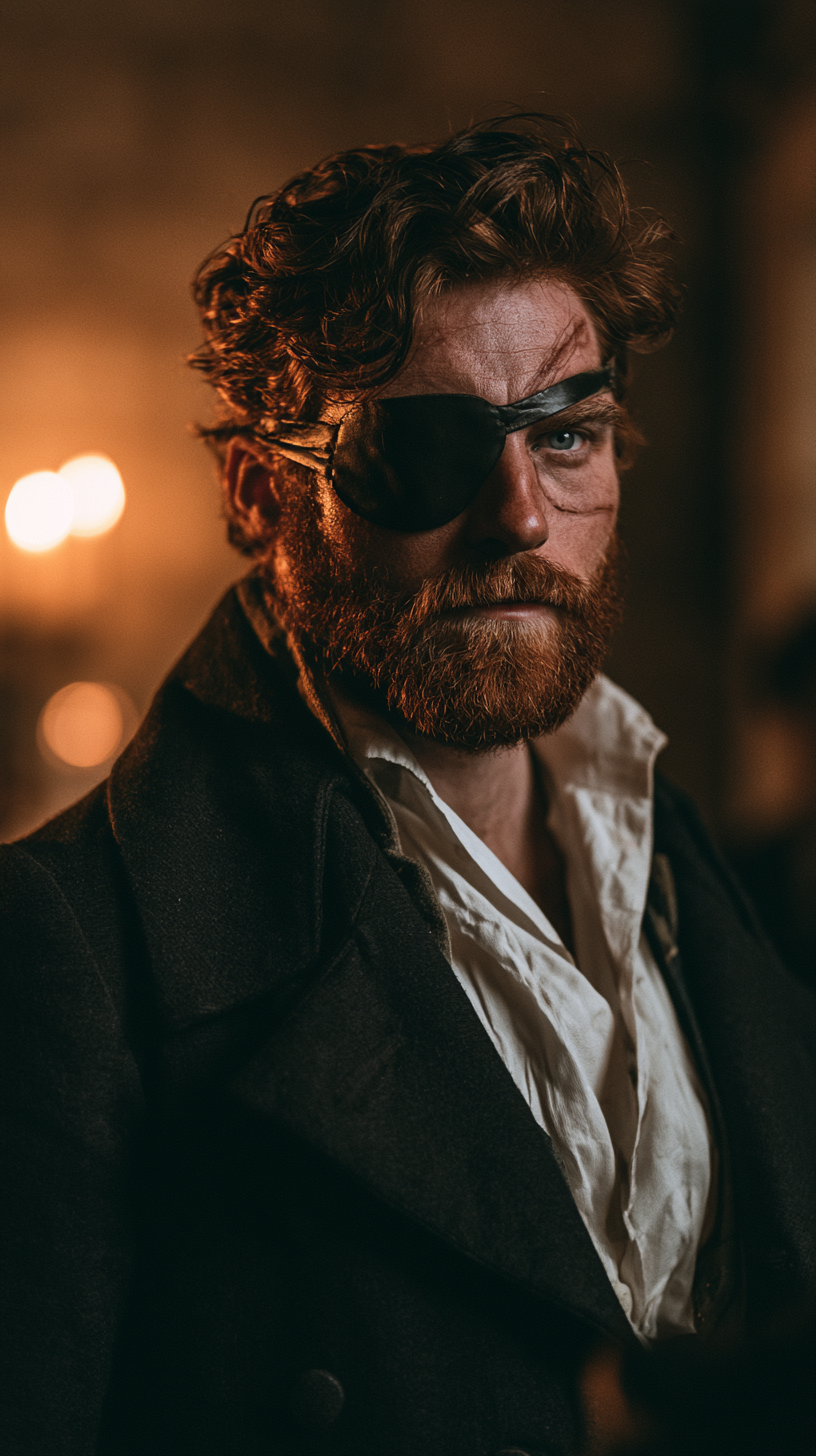
A leather patch covered his right eye. A pale scar ran from beneath it, crossed his cheek, and disappeared into his beard. The skin around it had healed unevenly, pulling slightly when his jaw tightened.
I tried not to imagine the blade, the blood, or the moment he had understood what had been taken from him.
The thought hurt more than it had any right to.
Then I saw what the scar had not taken.
His face was lean and sharply made, with high cheekbones and a strong jaw beneath the dark beard. Copper caught in his hair where the candlelight reached it. His mouth was full, unexpectedly so, and held in a hard line that made me wonder what it looked like when he forgot to be angry.
He was beautiful.
The realization went through me with enough force that I nearly forgot the cold.
After Sir Edmund, I should have wanted no man near me. Instead, my body had noticed this one before I had given it permission, and I did not know whether to be frightened or furious.
His remaining eye dropped to the length of rusted chain still raised beside my head.
“You may lower the weapon.”
His voice was deep and rough, the Scots in it unmistakable.
I lowered the chain.
“Meredith Whitmore. Lady Ashworth wrote to you.”
“Aye. She wrote.”
His hand remained around my arm.
The warmth of it pressed through my soaked sleeve and into skin that had been cold for so long I had almost stopped feeling it. I wanted to lean toward it. That was the shocking part. Not that he touched me, but that every chilled part of me seemed to recognize the heat of him and ask for more.
His fingers tightened when my knees shifted.
“Christ, lass, you’re frozen.”
The concern in his voice startled me. He seemed to hear it too, because his expression hardened almost at once.
His eye met mine, and something else passed through it, quick and unguarded.
He had not expected me either.
His expression closed again.
I became aware of how near we stood. My shoulder rested against his chest. His breath touched the loose hair near my temple. Beneath my palm, where I had caught myself against his coat, his heart was beating faster than I expected.
Mine was behaving no better.
“I beg your pardon,” I said.
His gaze dropped to the length of chain still hanging from my hand.
“It came loose.”
“I had noticed.”
“I did not mean to strike you.”
“No,” he said, looking back at me. “You appeared far too surprised.”
The corner of his mouth shifted.
Not quite a smile.
I looked at it too long.
His eye returned to mine, and for one suspended second neither of us spoke. I could not tell whether he knew I had been watching his mouth. I only knew that his hand had not left my arm and that I had made no serious attempt to remove it.
Rain struck the stones behind me.
His gaze moved over my face, then down.
The wet cloak had fallen open when I stumbled. My dress beneath it was soaked through, the wool clinging to my chest and waist.
His attention stopped.
Heat rose beneath my skin that had nothing to do with fever.
His jaw tightened, and he looked away at once, turning his face toward the storm with such deliberate control that the restraint itself became intimate.
He had seen me.
He was trying not to look again.
I pulled the cloak closed, though my fingers had begun to shake.
When his gaze returned to my face, it was harder than before.
“Where is your carriage?”
“There was no carriage from Balmorrow.”
His brow tightened. “Then you walked all this way?”
“I was told it was five miles.”
“In this weather?”
“It was not raining when I left.”
“And the innkeeper allowed you to go?”
“The innkeeper did not allow me to do anything. He advised me not to come.”
“He warned you.”
“Advised,” I said. Warned made it sound as though I had knowingly marched toward my death rather than misjudged a little Highland weather.
He looked past me at the rain. “The track disappears in a storm like this. One wrong step and you could have been carried down the hillside.”
“But I was not.”
“That does not make the decision sensible.”
“I reached the house.”
“Barely.” His gaze returned to mine. “Have you no sense, lass, or do you always walk into danger expecting some man to catch you?”
I pulled my arm from his grip. “I expected no man to catch me.”
Regret crossed his face, but the words were already between us.
My knees weakened as soon as he released me. I caught the wall and forced myself upright.
“I can stand on my own.”
His eye dropped to my hand gripping the stone.
“Can you stand without the wall?”
The corner of his mouth moved. He knew perfectly well that I could not, and seemed almost to admire my refusal to admit it.
I tried to stand without the wall. He reached for me when my knees gave way, shifting too quickly onto his injured leg.
Pain crossed his face, and his balance went with it. I caught his coat while he held my waist, and for one startled second we kept each other upright.
His heart beat fast beneath my palm.
We separated at once.
Warm air reached me from the hall. Until then, the cold had kept me moving. Now the strength drained from my legs, and the edges of his face began to blur.
“I have come about the position.”
I sneezed.
Something shifted in his face, so close to amusement that I wondered whether the cold had begun affecting my sight.
Then it vanished.
“There is no position.”
I stared at him. “I beg your pardon?”
“There is nothing for you here, lass.” His accent had grown thicker, each word rougher than the last. “You shouldna have come.”
The road, the storm, and every mile from London seemed to tilt beneath my feet.
I reached for his coat, but my fingers slipped across the wool.
Then everything went dark.
End of Chapter 1